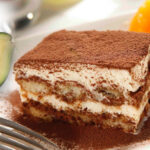
Italian dishes – Fall in Love with Every Italian Bite
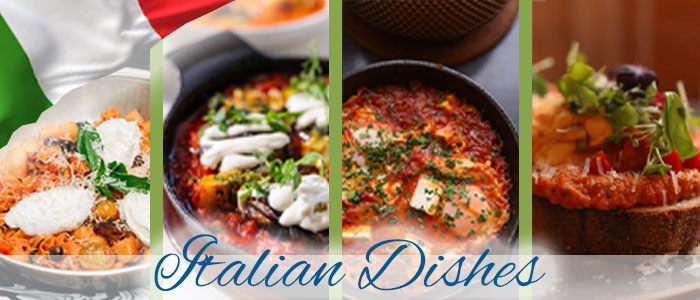
Italian dishes




Every gift from a family and friends is wish for your happiness

by FO-R Team · Published · Updated
Table of Contents
ToggleItalian cuisine is a timeless celebration of simplicity, freshness, and passion, where humble ingredients are transformed into unforgettable dishes. Rooted in family traditions and regional pride, every meal tells a story of culture and care, whether it’s silky pasta draped in rich sauce, wood-fired pizza with bubbling cheese, or delicate desserts that melt in your mouth. Italian food isn’t just about taste; it’s about sharing moments, creating memories, and enjoying life one delicious bite at a time.
The history of Italian dishes stretches back to ancient Roman Empire times, evolving through centuries of cultural influence and regional creativity. From the birthplace of pizza in Naples to the refined pasta traditions of northern Italy, iconic dishes like Pizza Margherita, Lasagna, Carbonara, and Tiramisu have become global favorites. Each dish carries a piece of Italy’s heritage, blending history, flavor, and artistry into a culinary experience that continues to inspire the world.
During the time of the Roman Empire, food was deeply shaped by cultural exchange, trade, and the vast reach of Roman territories. As the empire expanded across Europe, North Africa, and parts of Asia, it absorbed ingredients, cooking techniques, and flavors from many different regions. Staples like wheat, olives, and grapes formed the foundation of Roman meals, while influences from Greece introduced refined culinary practices, and eastern regions brought spices, herbs, and new methods of seasoning. A famous example is garum, a fermented fish sauce widely used across Roman cuisine, showing how preservation and bold flavors were valued even in ancient times.
Regional creativity also played a key role in shaping early Italian food traditions. Different areas of the empire adapted dishes based on local ingredients and climate, coastal regions relied more on seafood, while inland areas focused on grains, meats, and vegetables. Wealthy Romans enjoyed elaborate banquets with complex recipes, while common people created simple yet nourishing meals that later evolved into the rustic dishes Italy is known for today. This blend of cultural influence and local adaptation laid the foundation for Italy’s diverse regional cuisines, where each area developed its own identity while still being connected by shared traditions.
Italian cooking is built on simple, high-quality ingredients that bring out rich and natural flavors. Common ingredients include olive oil, fresh tomatoes, garlic, onions, and a variety of herbs like basil, oregano, rosemary, and thyme. Cheese plays a big role too, with favorites like mozzarella, Parmesan, and ricotta adding depth and creaminess. Pasta and dough are essential foundations, usually made from wheat flour and eggs, while sauces such as tomato-based marinara, creamy Alfredo, and pesto (made with basil, pine nuts, garlic, olive oil, and cheese) are widely used to enhance dishes.
In terms of cooking materials, Italian kitchens often rely on traditional and practical tools that support slow, flavorful cooking. Large pots are used for boiling pasta, while wide pans and skillets are perfect for preparing sauces and sautéing ingredients. Wooden spoons are commonly used for stirring, and ovens especially wood fired ovens which are essential for baking authentic pizzas and breads. Simple tools like graters for cheese, rolling pins for dough, and mortar and pestle for fresh pesto help preserve the traditional, hands-on cooking style that defines Italian cuisine.
Italian cuisine relies on aromatic herbs and simple seasonings to create rich, balanced flavors. Here are the most commonly used Italian seasonings found in kitchens:
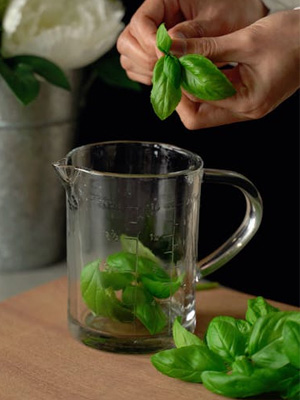
Basil: sweet, fresh, and essential for sauces like pesto
Oregano: slightly bitter and earthy, perfect for pizza and tomato sauces
Rosemary: strong, woody flavor, great for meats and roasted dishes
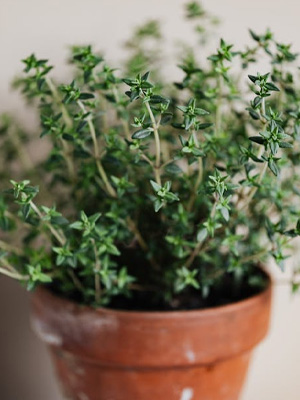
Thyme: subtle and earthy, used in soups, sauces, and meats
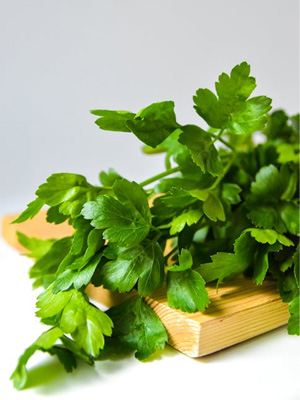
Parsley: fresh and mild, often used as garnish and flavor enhancer
Sage: warm and slightly peppery, ideal for butter sauces and meats
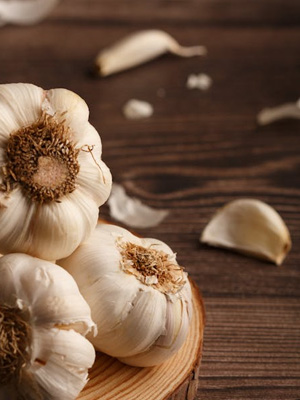
Garlic: bold and aromatic, a base for many Italian recipes
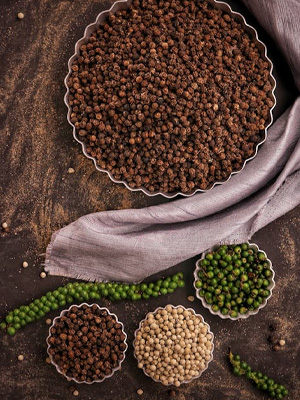
Black Pepper: adds mild heat and depth
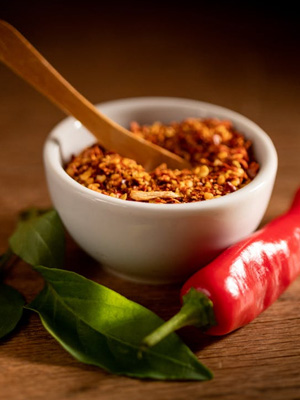
Red Pepper Flakes: for a spicy kick in sauces and pasta
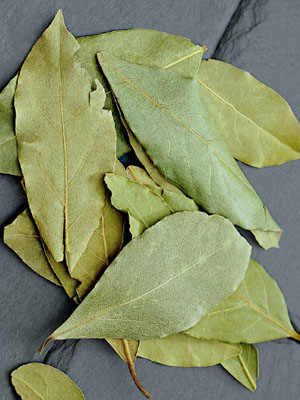
Bay Leaves: used to infuse flavor in slow-cooked dishes
These seasonings are often combined to create the classic “Italian seasoning mix,” bringing a signature taste that makes Italian dishes so comforting and flavorful food.
1. Spaghetti Bolognese
2. Fettuccine Alfredo
3. Ravioli
4. Pizza Pepperoni
5. Pizza Quattro Stagioni
1. Cacio e Pepe
2. Tagliatelle al Ragù
3. Orecchiette con Cime di Rapa
4. Pizza Marinara
5. Saltimbocca alla Romana
6. Bistecca alla Fiorentina
7. Polenta
8. Bruschetta
9. Ribollita
10. Cannoli
1. Spaghetti Carbonara
2. Lasagna
3. Fettuccine Alfredo
4. Penne all’Arrabbiata
5. Pesto alla Genovese
6. Pizza Margherita
7. Pizza Quattro Formaggi
8. Osso Buco
9. Chicken Parmigiana
10. Saltimbocca
11. Bruschetta
12. Caprese Salad
13. Risotto alla Milanese
14. Minestrone
15. Tiramisu
16. Panna Cotta
17. Gelato
by FO-R Team · Published February 12, 2026 · Last modified May 28, 2026
by FO-R Team · Published December 24, 2025 · Last modified February 21, 2026
by FO-R Team · Published March 29, 2026 · Last modified May 28, 2026
Follow:
More